Workforce & Jobs
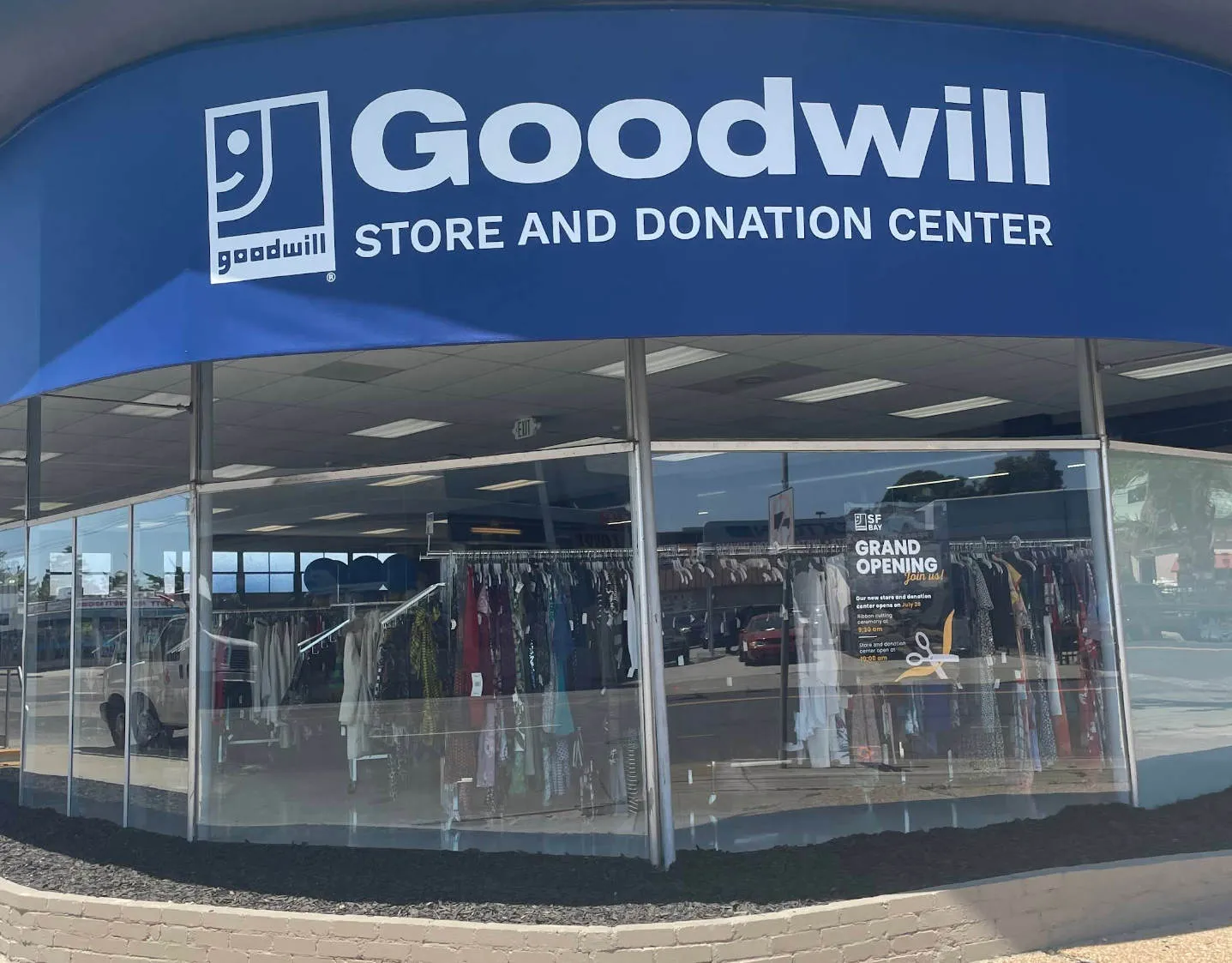
Goodwill
Goodwill Car Donation accepts vehicles in any condition — proceeds fund job training and employment placement programs in your community.
location_on101 NW 20th Ave, Battle Ground, WA 98604call(360) 687-2444
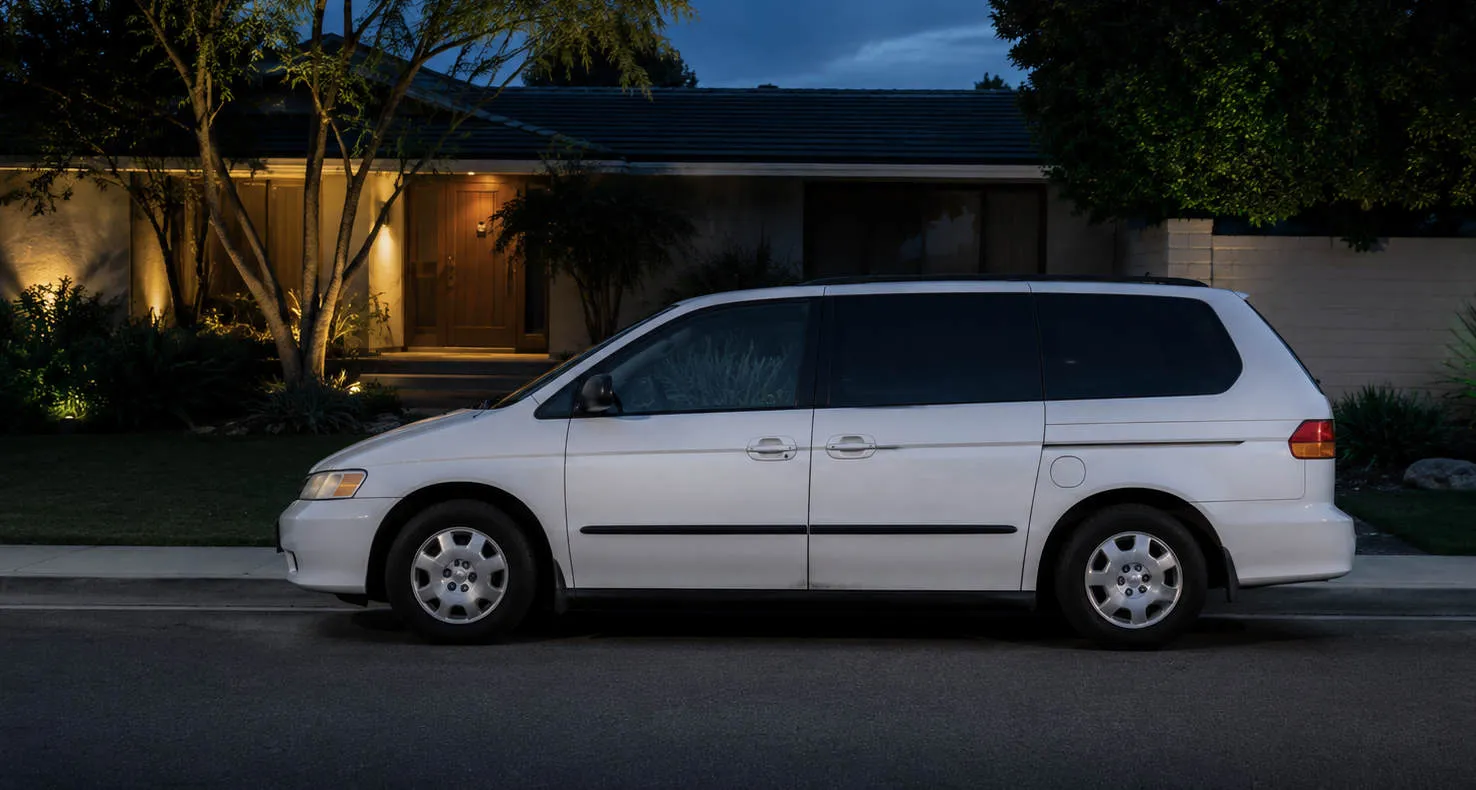
A Battle Ground car carries real costs while it sits. Registration, insurance, and slow depreciation continue whether the vehicle moves or not. Donating it to a 501(c)(3) ends those costs in one step and converts the vehicle into a tax deduction.
Clark County
County
21,293
Residents
Skip the listings. Get the tax write-off and free towing — our charity of the week handles the rest.
Vetted charities cover towing at no cost to the donor. Running or not, the vehicle is picked up at a scheduled time — the donor does not move it.
The receiving charity mails a Form 1098-C documenting the gift. It is the single piece of paperwork the IRS expects for a car donation deduction over $500.
An unused Battle Ground vehicle keeps generating insurance premiums and registration fees. Donating it ends those bills the moment the title transfers.
Vehicle donations routed to MatchingDonors.com receive prioritized handling — free towing, title transfer, and IRS Form 1098-C after the vehicle sells. Proceeds fund the matching platform that has connected over 15,000 registered donors with patients in need.
See how much your car could impact a charity.
Well-known 501(c)(3) charities serving Battle Ground — local branches plus national organizations that accept car donations.
Goodwill Car Donation accepts vehicles in any condition — proceeds fund job training and employment placement programs in your community.
Accepts donated vehicles with free pickup — proceeds fund food pantries, housing assistance, and direct aid to neighbors facing poverty.
Local YMCAs accept donated cars, trucks, and boats — proceeds fund youth programs, fitness scholarships, and community services in your neighborhood.
Their Cars for Homes program accepts donated vehicles in any condition — proceeds fund home builds and repairs for families working toward stable homeownership.
Accepts donated vehicles nationwide with free towing — proceeds fund adult rehabilitation centers, shelters, and disaster relief.
Most charitable giving happens in cash, but an old car parked in a Battle Ground driveway is often the more sensible thing to give. The vehicle generates insurance and registration bills while it sits and depreciates the longer the decision waits.
Donating the car directly converts it into a tax deduction documented by IRS Form 1098-C, and the towing is on the receiving charity rather than the donor.
A transparent, four-step process ensures a smooth transition from vehicle to impact. (The exact process may differ between organizations, these are the general phases)
Your charity will conduct a preliminary assessment of your vehicle's market value and suitability for donation.
Their team verifies clear title, runs the vehicle history, and prepares all necessary transfer paperwork.
The title is officially transferred to the charity. You receive IRS Form 1098-C for tax deduction purposes.
The vehicle is sold or put to use by the charity, and proceeds fund their mission.
A car that no longer starts is one of the worst things to try to sell — buyers steeply discount for the unknowns, and tow costs come out of the seller's pocket. The vehicle still owes registration, though, and most policies require some kind of insurance even on a parked car.
Qualified charities accept non-running vehicles directly. Towing is included at no cost, the title transfers at pickup, and the IRS Form 1098-C arrives once the charity processes the vehicle. The owner is rid of the car and the costs that came with it in a single appointment.
Straight answers on donating your car, the tax treatment, and what to expect.
Typically nothing. Towing is covered by the receiving charity, title transfer is handled by the charity, and there are no fees a donor should ever pay directly to a 501(c)(3) for accepting a vehicle.
State tax treatment of charitable gifts varies. Some states offer their own deduction or credit on top of the federal deduction; others do not. Because the rules differ, confirm the Washington specifics with a local tax advisor.
Yes, when the vehicle is given to a qualified 501(c)(3) and the donor itemizes deductions. The amount and the paperwork depend on the vehicle's sale price or use — see the IRS Form 1098-C question for details.
Pickup is typically scheduled within a few business days of the initial contact, often within a week. The donor sets the window; the tow company arrives during that window.
Yes. The donor does not need to live in Battle Ground — or in Washington — to donate a vehicle located there. Title paperwork can typically be completed remotely; pickup is arranged at the vehicle's actual location.
Not for most vehicles. For donations valued over $5,000 that are not sold by the charity, a qualified appraisal and IRS Form 8283 Section B are generally required. For vehicles the charity sells, the sale price reported on Form 1098-C establishes the deduction — no appraisal needed.
Find vetted real-estate-accepting charities elsewhere in the country.