Housing & Urban Development
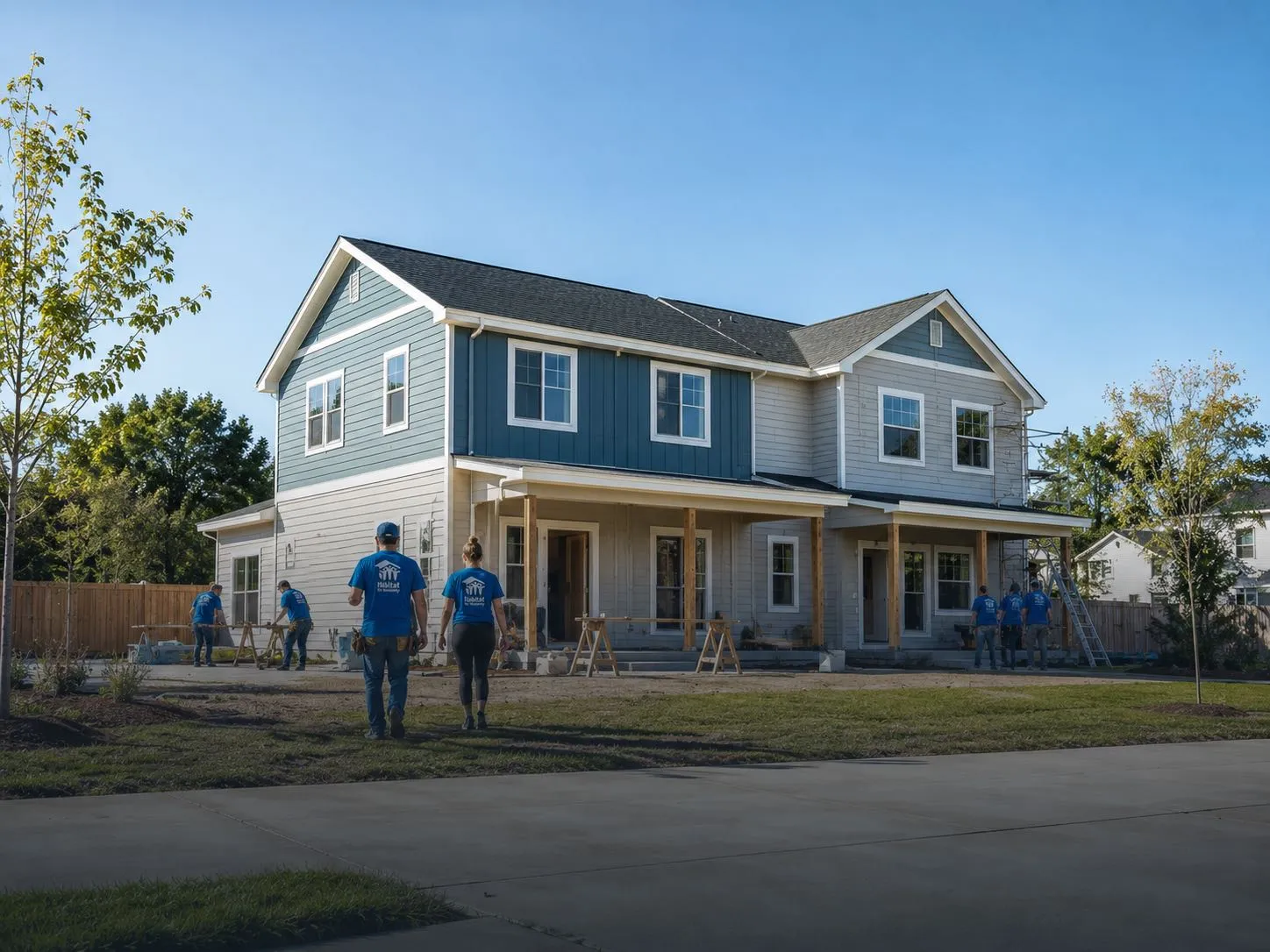
Habitat for Humanity International
Builds affordable homes alongside families in need across all 50 states and 70+ countries.
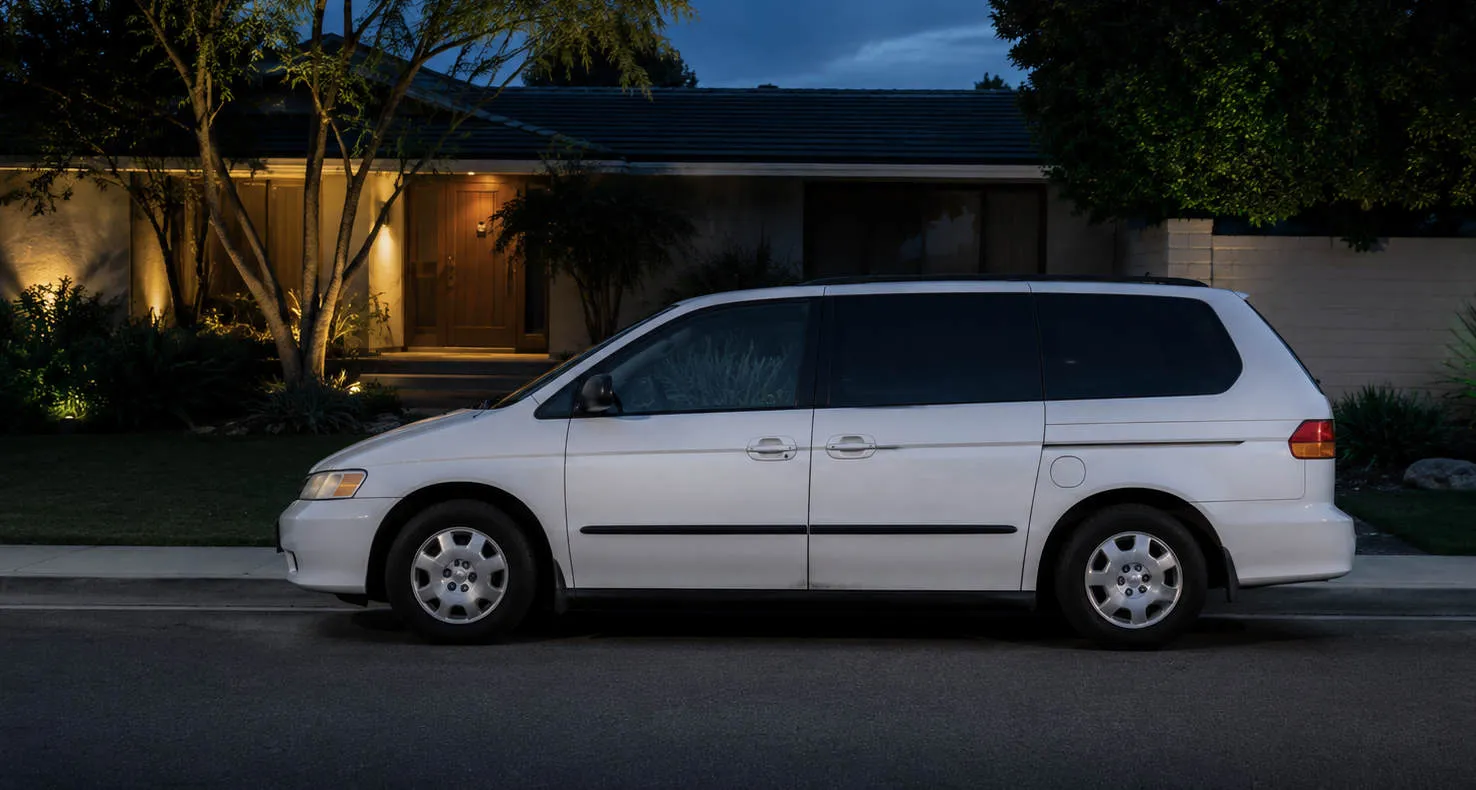
Not every Richmond County vehicle is worth the work of a private sale. A non-running car, an aging second vehicle, or a motorcycle gathering dust can quietly cost more in insurance and registration than it would fetch on the open market. Donating it ends the expense and produces a tax deduction in its place.
1
City or Town
1,081,248
Residents
Skip the listings. Get the tax write-off and free towing — our charity of the week handles the rest.
Proceeds from donated vehicles fund real programs — housing, food assistance, youth services, veterans support — operating across Richmond County and Richmond County.
Vehicle donation is not limited to passenger cars. Richmond County donors regularly give pickups, SUVs, motorcycles, RVs, boats on trailers, and even snowmobiles to qualified charities.
Vetted charities cover towing at no cost to the donor. Running or not, the vehicle is picked up at a scheduled time — the donor does not move it.
Vehicle donations routed to MatchingDonors.com receive prioritized handling — free towing, title transfer, and IRS Form 1098-C after the vehicle sells. Proceeds fund the matching platform that has connected over 15,000 registered donors with patients in need.
See how much your car could impact a charity.
Vetted 501(c)(3) charities ready to accept car donations from donors across Richmond County and the rest of Virginia.
Builds affordable homes alongside families in need across all 50 states and 70+ countries.
Protects ecologically important lands and waters across the United States and globally.
Provides mentorship, after-school programs, and safe spaces for young people nationwide.
The largest U.S. hunger-relief network, sourcing food for 200 member food banks.
Delivers humanitarian aid, blood donation, and disaster recovery across the country.
Choose a city in Richmond County to see local charities that accept real estate donations.
For most donated cars, the deductible amount is whatever the charity nets when it sells the vehicle, reported to the donor on IRS Form 1098-C. If the vehicle sells for $500 or less, the donor may generally deduct the lesser of $500 or fair market value without a 1098-C.
Vehicles the charity puts to direct use rather than selling have different rules and may support a fair-market-value deduction. This is general information, not tax advice — confirm the specifics with a tax advisor.
A transparent, four-step process ensures a smooth transition from vehicle to impact. (The exact process may differ between organizations, these are the general phases)
Your charity will conduct a preliminary assessment of your vehicle's market value and suitability for donation.
Their team verifies clear title, runs the vehicle history, and prepares all necessary transfer paperwork.
The title is officially transferred to the charity. You receive IRS Form 1098-C for tax deduction purposes.
The vehicle is sold or put to use by the charity, and proceeds fund their mission.
Straight answers on donating your car, the tax treatment, and what to expect.
Pickup is often scheduled within a few days of the initial contact. The IRS Form 1098-C documenting the deduction is generally mailed within 30 days of the vehicle being sold, or within 30 days of the donation if the charity intends to use the car directly.
Yes. Personal items, registration documents not needed for transfer, garage door openers, toll transponders, and aftermarket equipment the donor wants to keep should all be removed before the tow truck arrives.
No. Charities that accept vehicle donations routinely take cars that do not start, have body damage, or are mechanically worn out. Condition affects the eventual sale value — and therefore the deduction — but not eligibility.
Yes. There is no limit on the number of vehicles a donor can give. Each donation is documented separately, with its own title transfer and its own Form 1098-C if applicable.
No. The signature on the title transfer must come from the registered owner. For deceased owners, an executor with the proper estate paperwork can typically sign on behalf of the estate; the receiving charity will confirm what documentation is needed.
Browse charities that accept real estate donations elsewhere in the state.