
Housing & Urban Development
Habitat for Humanity International
Builds affordable homes alongside families in need across all 50 states and 70+ countries.
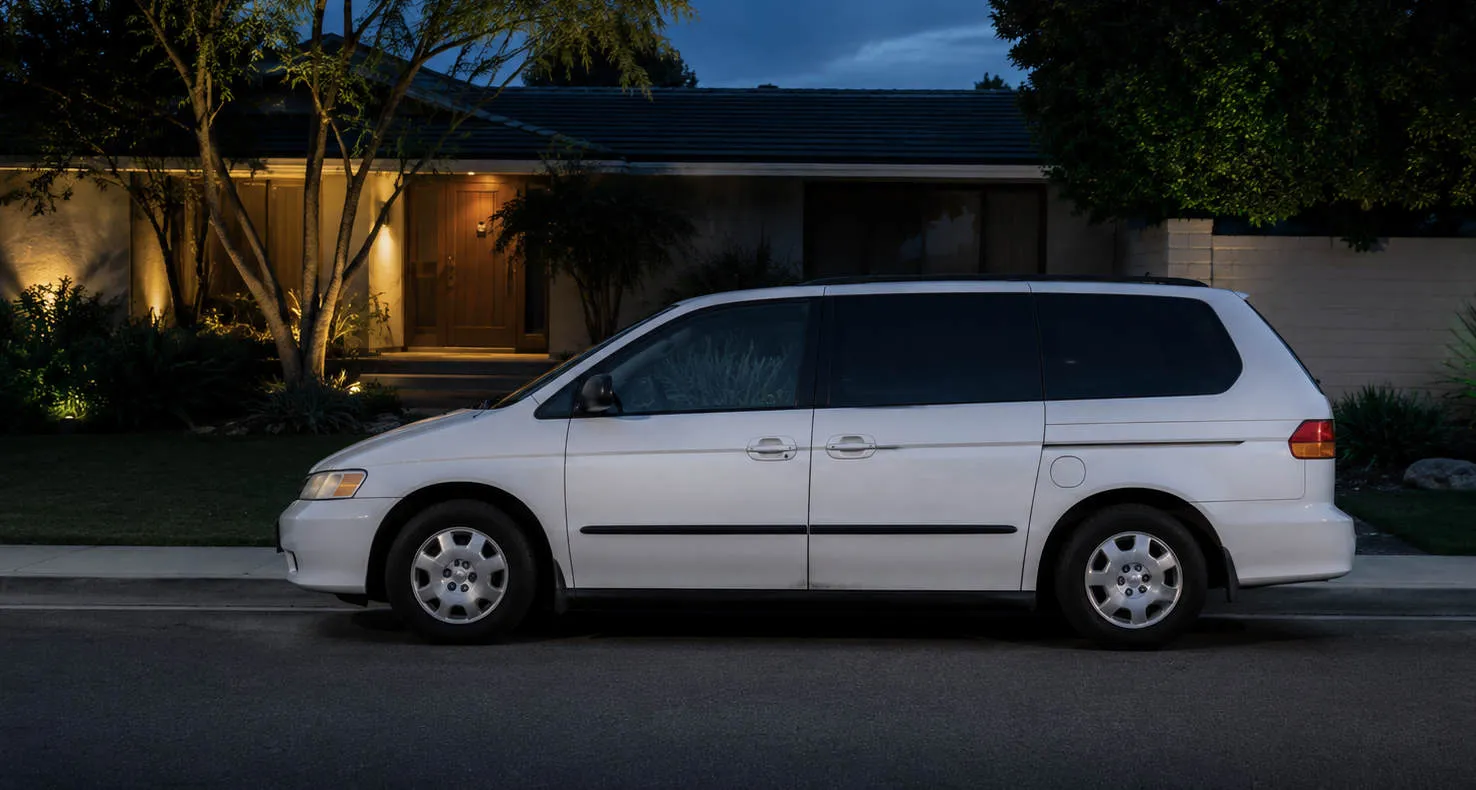
Charitable car donations quietly fund real programs across Harrison County. A Harrison County vehicle gift can join that work while producing a tax deduction that a quick trade-in or private-party sale rarely matches once costs and time are counted.
1
City or Town
23,646
Residents
Skip the listings. Get the tax write-off and free towing — our charity of the week handles the rest.
Charities that accept vehicles routinely take cars that do not start, salvage-title vehicles, and aging junk cars. Condition affects value, not eligibility.
A Harrison County private sale means photographs, listings, and strangers talking the price down at the kerb. A donation skips all of it — the charity arrives, the title transfers, the vehicle leaves.
An unused Harrison County vehicle keeps generating insurance premiums and registration fees. Donating it ends those bills the moment the title transfers.
Vehicle donations routed to MatchingDonors.com receive prioritized handling — free towing, title transfer, and IRS Form 1098-C after the vehicle sells. Proceeds fund the matching platform that has connected over 15,000 registered donors with patients in need.
See how much your car could impact a charity.
Vetted 501(c)(3) charities ready to accept car donations from donors across Harrison County and the rest of Texas.
Builds affordable homes alongside families in need across all 50 states and 70+ countries.
Protects ecologically important lands and waters across the United States and globally.
Provides mentorship, after-school programs, and safe spaces for young people nationwide.
The largest U.S. hunger-relief network, sourcing food for 200 member food banks.
Delivers humanitarian aid, blood donation, and disaster recovery across the country.
Choose a city in Harrison County to see local charities that accept real estate donations.
A trade-in is fast but lowballs the value. A private sale gets closer to market but takes weeks and absorbs the seller's time. A donation skips both — the vehicle is picked up free, the title transfers at pickup, and the deduction goes on the donor's return.
For a low-value, non-running, or unwanted vehicle, the donation route often nets the same or more after the dealer's trade-in haircut and the time cost of a private sale are taken into account. For a high-value working car, a sale may still come out ahead — the math is worth running with a tax advisor.
A transparent, four-step process ensures a smooth transition from vehicle to impact. (The exact process may differ between organizations, these are the general phases)
Your charity will conduct a preliminary assessment of your vehicle's market value and suitability for donation.
Their team verifies clear title, runs the vehicle history, and prepares all necessary transfer paperwork.
The title is officially transferred to the charity. You receive IRS Form 1098-C for tax deduction purposes.
The vehicle is sold or put to use by the charity, and proceeds fund their mission.
Straight answers on donating your car, the tax treatment, and what to expect.
Yes. There is no limit on the number of vehicles a donor can give. Each donation is documented separately, with its own title transfer and its own Form 1098-C if applicable.
No. The signature on the title transfer must come from the registered owner. For deceased owners, an executor with the proper estate paperwork can typically sign on behalf of the estate; the receiving charity will confirm what documentation is needed.
Yes, when the vehicle is given to a qualified 501(c)(3) and the donor itemizes deductions. The amount and the paperwork depend on the vehicle's sale price or use — see the IRS Form 1098-C question for details.
Yes. The donor picks the cause that fits their intent from the list shown for Harrison County. The featured partner is also available for donors who prefer not to compare options one by one.
State tax treatment of charitable gifts varies. Some states offer their own deduction or credit on top of the federal deduction; others do not. Because the rules differ, confirm the Texas specifics with a local tax advisor.
Browse charities that accept real estate donations elsewhere in the state.