Disaster Relief
American Red Cross
Accepts car, truck, motorcycle, RV, and boat donations — proceeds fund disaster response, blood services, and emergency aid nationwide.
location_onCourt Sq, Covington, TN 38019call(901) 476-0221
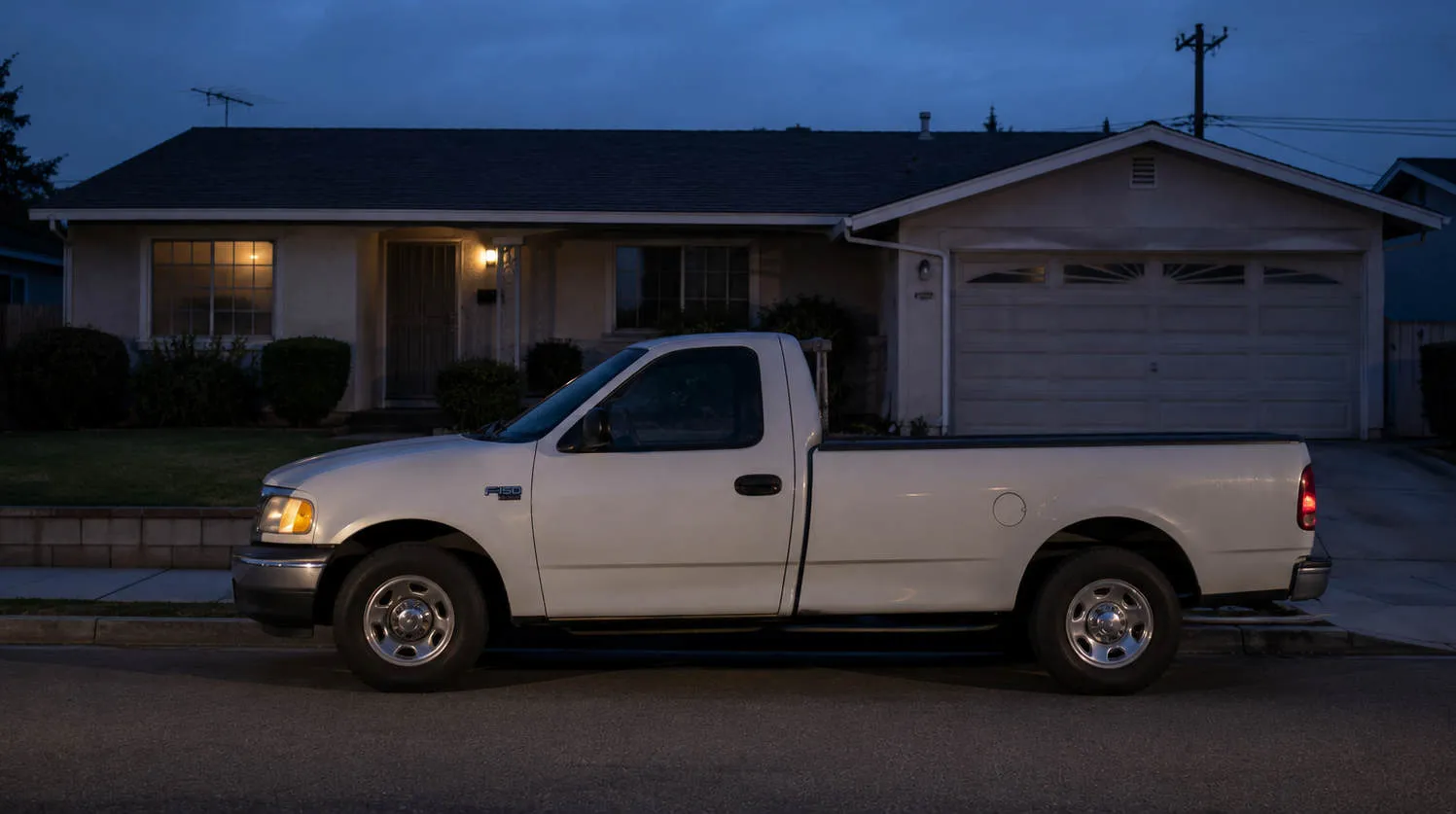
Donating a vehicle sounds complicated. In practice, a Ripley donation is a short form, a scheduled free tow, a signed title, and an IRS Form 1098-C in the mail. The donor's only obligations are providing the title and a window of time for pickup.
Lauderdale County
County
7,718
Residents
Skip the listings. Get the tax write-off and free towing — our charity of the week handles the rest.
Proceeds from donated vehicles fund real programs — housing, food assistance, youth services, veterans support — operating across Ripley and Lauderdale County.
A Ripley private sale can drag on for weeks. A vehicle donation moves quickly: a short form, a scheduled tow, and a signed title at pickup.
Charities that accept vehicles routinely take cars that do not start, salvage-title vehicles, and aging junk cars. Condition affects value, not eligibility.
Vehicle donations routed to MatchingDonors.com receive prioritized handling — free towing, title transfer, and IRS Form 1098-C after the vehicle sells. Proceeds fund the matching platform that has connected over 15,000 registered donors with patients in need.
See how much your car could impact a charity.
Well-known 501(c)(3) charities serving Ripley — local branches plus national organizations that accept car donations.
Accepts car, truck, motorcycle, RV, and boat donations — proceeds fund disaster response, blood services, and emergency aid nationwide.
Accepts donated vehicles nationwide with free towing — proceeds fund adult rehabilitation centers, shelters, and disaster relief.
Their Cars for Homes program accepts donated vehicles in any condition — proceeds fund home builds and repairs for families working toward stable homeownership.
Local YMCAs accept donated cars, trucks, and boats — proceeds fund youth programs, fitness scholarships, and community services in your neighborhood.
Goodwill Car Donation accepts vehicles in any condition — proceeds fund job training and employment placement programs in your community.
Vehicle donation is not limited to running passenger cars. Pickup trucks, SUVs, minivans, motorcycles, RVs, boats on trailers, and even snowmobiles and ATVs are accepted by 501(c)(3) charities serving Ripley.
Non-running vehicles, salvage-title cars, and vehicles with cosmetic damage routinely qualify. Title questions and mechanical condition are worked through when the tow is scheduled rather than used as a reason to turn the vehicle away upfront.
A transparent, four-step process ensures a smooth transition from vehicle to impact. (The exact process may differ between organizations, these are the general phases)
Your charity will conduct a preliminary assessment of your vehicle's market value and suitability for donation.
Their team verifies clear title, runs the vehicle history, and prepares all necessary transfer paperwork.
The title is officially transferred to the charity. You receive IRS Form 1098-C for tax deduction purposes.
The vehicle is sold or put to use by the charity, and proceeds fund their mission.
For most donated cars, the deductible amount is whatever the charity nets when it sells the vehicle, reported to the donor on IRS Form 1098-C. If the vehicle sells for $500 or less, the donor may generally deduct the lesser of $500 or fair market value without a 1098-C.
Vehicles the charity puts to direct use rather than selling have different rules and may support a fair-market-value deduction. This is general information, not tax advice — confirm the specifics with a tax advisor.
Straight answers on donating your car, the tax treatment, and what to expect.
Pickup is often scheduled within a few days of the initial contact. The IRS Form 1098-C documenting the deduction is generally mailed within 30 days of the vehicle being sold, or within 30 days of the donation if the charity intends to use the car directly.
A charitable deduction only lowers taxes for filers who itemize. A donor taking the standard deduction still ends the vehicle's carrying costs and supports the chosen cause, but the deduction itself would not apply to that return.
The donor signs the vehicle title over to the charity at the time of pickup; the receiving charity files the transfer with the state and mails the IRS Form 1098-C afterwards. Specific signature requirements vary by state DMV.
The deduction generally applies to the tax year in which the title transfer is completed. Donors aiming to claim it in a particular year often start early enough to leave room for pickup and paperwork before December 31.
Yes. Charities that accept vehicle donations contract with tow operators who are paid out of the eventual sale or use of the car. The donor pays nothing for pickup, whether the car runs or not.
Yes. The donor picks the cause that fits their intent from the list shown for Ripley. The featured partner is also available for donors who prefer not to compare options one by one.
Find vetted real-estate-accepting charities elsewhere in the country.