Workforce & Jobs
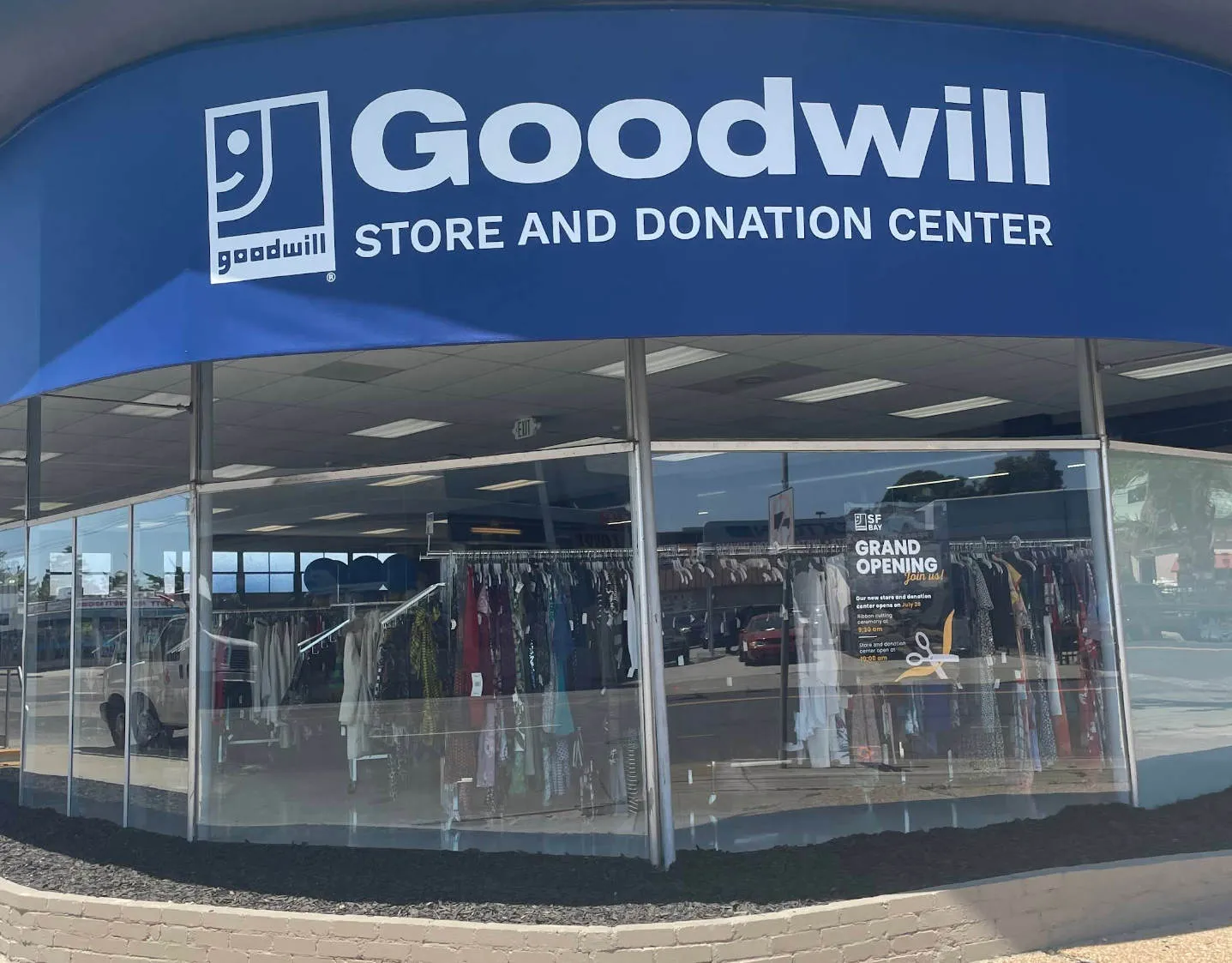
Goodwill
Goodwill Car Donation accepts vehicles in any condition — proceeds fund job training and employment placement programs in your community.
location_on6701 Black Horse Pike, Egg Harbor Township, NJ 08234call(609) 569-1112
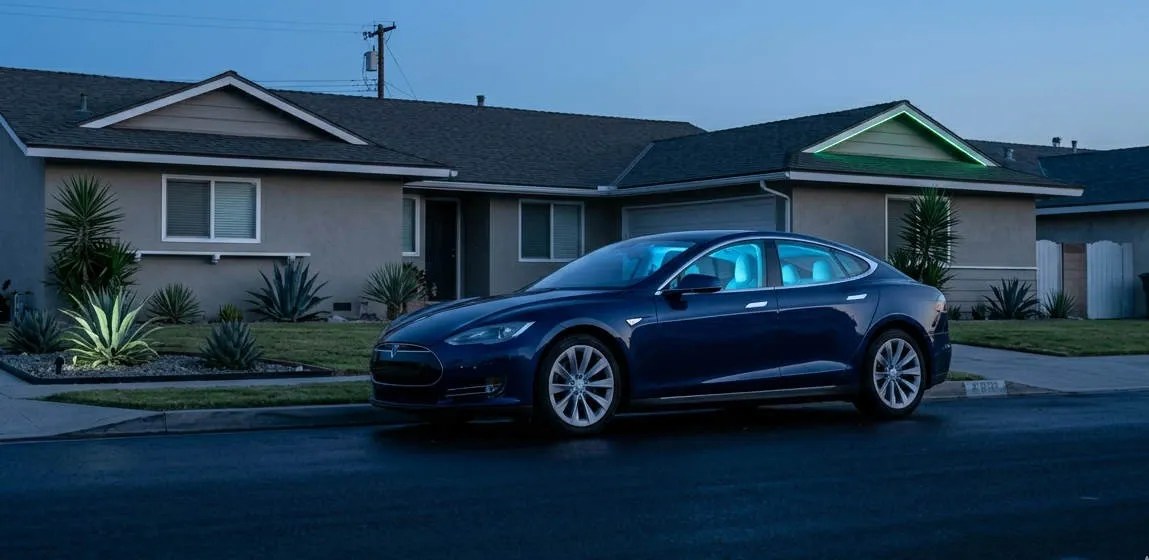
A Pomona car that has depreciated to the point of an awkward sale price still has charitable value. Donating it bypasses the price negotiation, includes free pickup, and produces a tax write-off documented by the receiving charity.
Atlantic County
County
8,141
Residents
Skip the listings. Get the tax write-off and free towing — our charity of the week handles the rest.
Proceeds from donated vehicles fund real programs — housing, food assistance, youth services, veterans support — operating across Pomona and Atlantic County.
A Pomona private sale can drag on for weeks. A vehicle donation moves quickly: a short form, a scheduled tow, and a signed title at pickup.
A Pomona private sale means photographs, listings, and strangers talking the price down at the kerb. A donation skips all of it — the charity arrives, the title transfers, the vehicle leaves.
Vehicle donations routed to MatchingDonors.com receive prioritized handling — free towing, title transfer, and IRS Form 1098-C after the vehicle sells. Proceeds fund the matching platform that has connected over 15,000 registered donors with patients in need.
See how much your car could impact a charity.
Well-known 501(c)(3) charities serving Pomona — local branches plus national organizations that accept car donations.
Goodwill Car Donation accepts vehicles in any condition — proceeds fund job training and employment placement programs in your community.
Their Cars for a Cure program accepts vehicle donations with free towing — proceeds fund cancer research, patient transportation, and lodging programs.
Accepts donated vehicles nationwide with free towing — proceeds fund adult rehabilitation centers, shelters, and disaster relief.
Their Cars for Homes program accepts donated vehicles in any condition — proceeds fund home builds and repairs for families working toward stable homeownership.
Accepts car, truck, motorcycle, RV, and boat donations — proceeds fund disaster response, blood services, and emergency aid nationwide.
A car that no longer starts is one of the worst things to try to sell — buyers steeply discount for the unknowns, and tow costs come out of the seller's pocket. The vehicle still owes registration, though, and most policies require some kind of insurance even on a parked car.
Qualified charities accept non-running vehicles directly. Towing is included at no cost, the title transfers at pickup, and the IRS Form 1098-C arrives once the charity processes the vehicle. The owner is rid of the car and the costs that came with it in a single appointment.
A transparent, four-step process ensures a smooth transition from vehicle to impact. (The exact process may differ between organizations, these are the general phases)
Your charity will conduct a preliminary assessment of your vehicle's market value and suitability for donation.
Their team verifies clear title, runs the vehicle history, and prepares all necessary transfer paperwork.
The title is officially transferred to the charity. You receive IRS Form 1098-C for tax deduction purposes.
The vehicle is sold or put to use by the charity, and proceeds fund their mission.
Cars are only the most common donation. A small business retiring a Pomona delivery truck, a household done with an RV that no longer leaves the driveway, or an owner ready to part with a project motorcycle can donate those vehicles on the same basic terms.
Larger vehicles take a bit more coordination on the tow — a flatbed for a non-running RV, a trailer rendezvous for a boat — but the financial picture is the same: free pickup, a signed title, and IRS documentation for the deduction.
Straight answers on donating your car, the tax treatment, and what to expect.
Yes, when the vehicle is given to a qualified 501(c)(3) and the donor itemizes deductions. The amount and the paperwork depend on the vehicle's sale price or use — see the IRS Form 1098-C question for details.
Typically nothing. Towing is covered by the receiving charity, title transfer is handled by the charity, and there are no fees a donor should ever pay directly to a 501(c)(3) for accepting a vehicle.
Most charities sell donated vehicles — at auction, through a partner dealer, or directly — and direct the proceeds to their programs. Some charities use a donated car directly for fleet or client transportation. The receiving charity can confirm its intended use before pickup.
Usually not, as long as the vehicle is accessible, the signed title is left in an agreed-upon location, and personal items have been removed. Specifics are confirmed by the receiving charity when pickup is scheduled.
A duplicate title can be ordered from the state DMV; the receiving charity can usually wait while the replacement arrives. Donating a vehicle without any title is rarely possible.
Salvage-title and non-operational vehicles are often accepted. The receiving charity will confirm based on the title status and the vehicle's location; non-running vehicles are typically picked up by flatbed at no cost to the donor.
Find vetted real-estate-accepting charities elsewhere in the country.