Workforce & Jobs
Goodwill
Goodwill Car Donation accepts vehicles in any condition — proceeds fund job training and employment placement programs in your community.
location_on1247 Northwood Pkwy, Eagan, MN 55121call(651) 994-7907
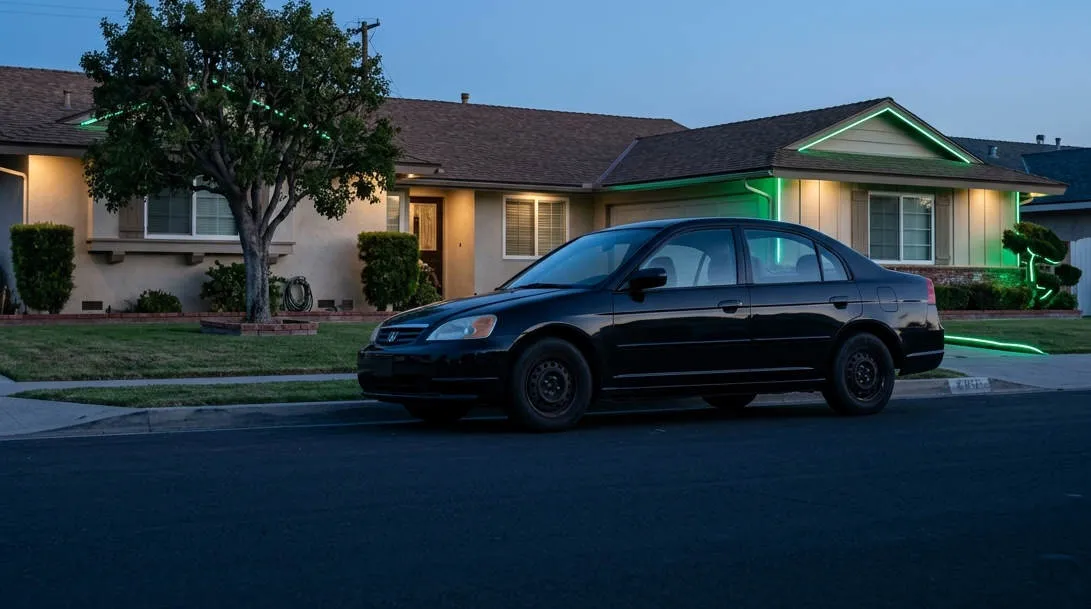
A Eagan car that has depreciated to the point of an awkward sale price still has charitable value. Donating it bypasses the price negotiation, includes free pickup, and produces a tax write-off documented by the receiving charity.
Dakota County
County
68,158
Residents
Skip the listings. Get the tax write-off and free towing — our charity of the week handles the rest.
Vehicle donation is not limited to passenger cars. Eagan donors regularly give pickups, SUVs, motorcycles, RVs, boats on trailers, and even snowmobiles to qualified charities.
The receiving charity mails a Form 1098-C documenting the gift. It is the single piece of paperwork the IRS expects for a car donation deduction over $500.
Donors who itemize can deduct the Eagan vehicle's qualifying value on their federal return. For most cars, that figure is the amount the charity nets when the vehicle is sold.
Vehicle donations routed to MatchingDonors.com receive prioritized handling — free towing, title transfer, and IRS Form 1098-C after the vehicle sells. Proceeds fund the matching platform that has connected over 15,000 registered donors with patients in need.
See how much your car could impact a charity.
Well-known 501(c)(3) charities serving Eagan — local branches plus national organizations that accept car donations.
Goodwill Car Donation accepts vehicles in any condition — proceeds fund job training and employment placement programs in your community.
Their Cars for a Cure program accepts vehicle donations with free towing — proceeds fund cancer research, patient transportation, and lodging programs.
Accepts donated vehicles nationwide with free towing — proceeds fund adult rehabilitation centers, shelters, and disaster relief.
Accepts donated vehicles with free pickup — proceeds fund food pantries, housing assistance, and direct aid to neighbors facing poverty.
Local YMCAs accept donated cars, trucks, and boats — proceeds fund youth programs, fitness scholarships, and community services in your neighborhood.
Cars are only the most common donation. A small business retiring a Eagan delivery truck, a household done with an RV that no longer leaves the driveway, or an owner ready to part with a project motorcycle can donate those vehicles on the same basic terms.
Larger vehicles take a bit more coordination on the tow — a flatbed for a non-running RV, a trailer rendezvous for a boat — but the financial picture is the same: free pickup, a signed title, and IRS documentation for the deduction.
A transparent, four-step process ensures a smooth transition from vehicle to impact. (The exact process may differ between organizations, these are the general phases)
Your charity will conduct a preliminary assessment of your vehicle's market value and suitability for donation.
Their team verifies clear title, runs the vehicle history, and prepares all necessary transfer paperwork.
The title is officially transferred to the charity. You receive IRS Form 1098-C for tax deduction purposes.
The vehicle is sold or put to use by the charity, and proceeds fund their mission.
An inherited car often arrives with paperwork the heir did not expect — registration to update, insurance to keep current, and a title that may take time to clear through probate. Selling it can mean those costs continue for weeks.
Donating an inherited Eagan vehicle, once the title is clear, converts it into a charitable deduction and ends the upkeep in a single appointment — often the simplest resolution for a vehicle the heir does not plan to drive.
Straight answers on donating your car, the tax treatment, and what to expect.
Yes. There is no limit on the number of vehicles a donor can give. Each donation is documented separately, with its own title transfer and its own Form 1098-C if applicable.
Yes, but every name on the title generally must sign the transfer. Jointly titled vehicles are common donations once all owners agree.
State tax treatment of charitable gifts varies. Some states offer their own deduction or credit on top of the federal deduction; others do not. Because the rules differ, confirm the Minnesota specifics with a local tax advisor.
Not for most vehicles. For donations valued over $5,000 that are not sold by the charity, a qualified appraisal and IRS Form 8283 Section B are generally required. For vehicles the charity sells, the sale price reported on Form 1098-C establishes the deduction — no appraisal needed.
Generally only after the lien is paid off and the lender has released the title. Donating a vehicle with an active lien creates legal complications because the lender, not the registered owner, technically controls the title.
The donor signs the vehicle title over to the charity at the time of pickup; the receiving charity files the transfer with the state and mails the IRS Form 1098-C afterwards. Specific signature requirements vary by state DMV.
Find vetted real-estate-accepting charities elsewhere in the country.