Habitat for Humanity
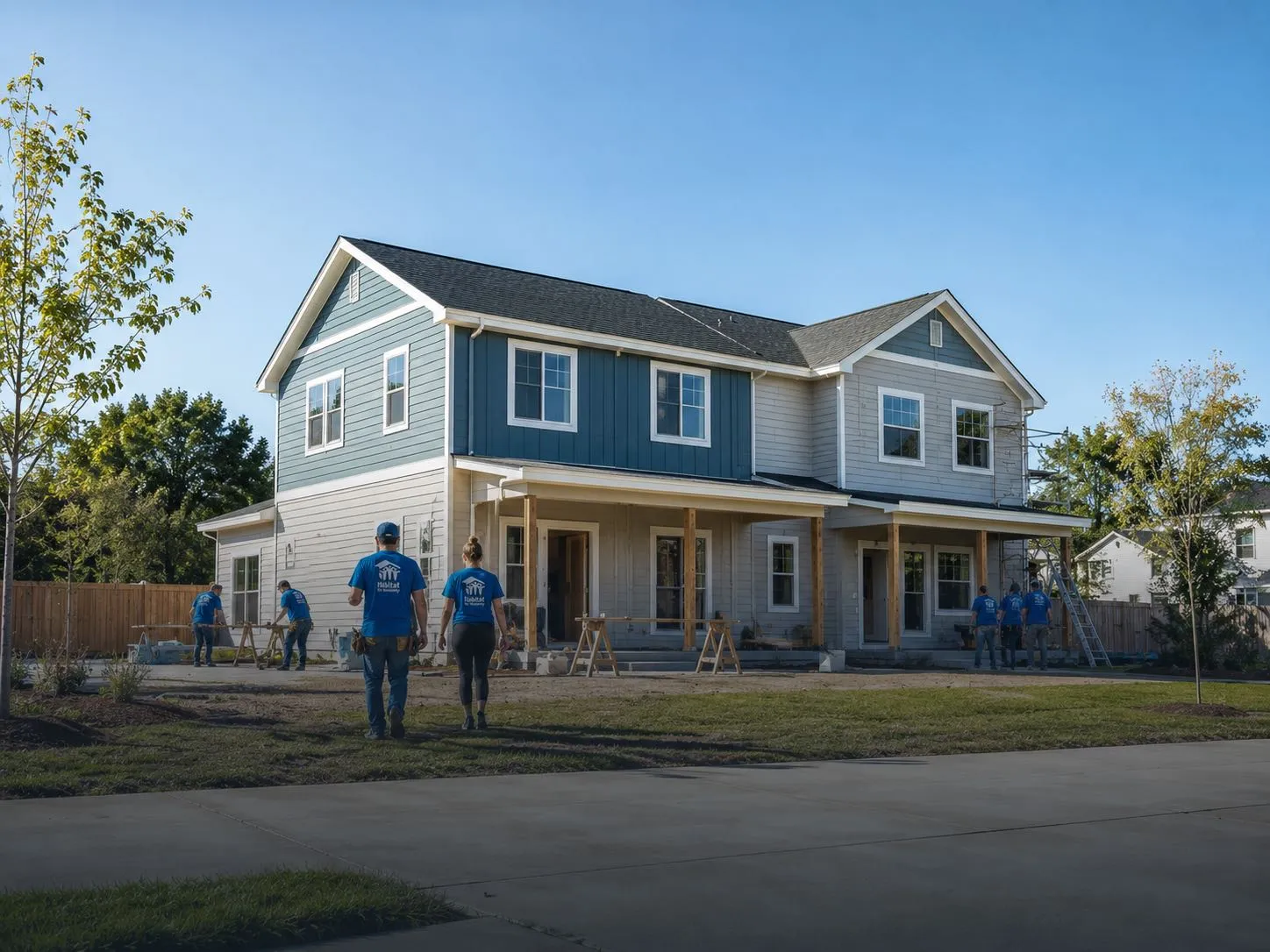
Their Cars for Homes program accepts donated vehicles in any condition — proceeds fund home builds and repairs for families working toward stable homeownership.
Owners across Lafourche Parish are finding that donating a car is simpler than selling one. A direct gift to a vetted 501(c)(3) includes free towing, costs nothing out of pocket, and produces an IRS Form 1098-C documenting the deduction at tax time.
Lafourche Parish
County
15,792
Residents
Skip the listings. Get the tax write-off and free towing — our charity of the week handles the rest.
A Thibodaux private sale means photographs, listings, and strangers talking the price down at the kerb. A donation skips all of it — the charity arrives, the title transfers, the vehicle leaves.
Charities that accept vehicles routinely take cars that do not start, salvage-title vehicles, and aging junk cars. Condition affects value, not eligibility.
The receiving charity mails a Form 1098-C documenting the gift. It is the single piece of paperwork the IRS expects for a car donation deduction over $500.
Vehicle donations routed to MatchingDonors.com receive prioritized handling — free towing, title transfer, and IRS Form 1098-C after the vehicle sells. Proceeds fund the matching platform that has connected over 15,000 registered donors with patients in need.
See how much your car could impact a charity.
Well-known 501(c)(3) charities serving Thibodaux — local branches plus national organizations that accept car donations.

Their Cars for Homes program accepts donated vehicles in any condition — proceeds fund home builds and repairs for families working toward stable homeownership.
Accepts donated vehicles nationwide with free towing — proceeds fund adult rehabilitation centers, shelters, and disaster relief.
Goodwill Car Donation accepts vehicles in any condition — proceeds fund job training and employment placement programs in your community.
Accepts donated vehicles with free pickup — proceeds fund food pantries, housing assistance, and direct aid to neighbors facing poverty.
Accepts car, truck, motorcycle, RV, and boat donations — proceeds fund disaster response, blood services, and emergency aid nationwide.
A trade-in is fast but lowballs the value. A private sale gets closer to market but takes weeks and absorbs the seller's time. A donation skips both — the vehicle is picked up free, the title transfers at pickup, and the deduction goes on the donor's return.
For a low-value, non-running, or unwanted vehicle, the donation route often nets the same or more after the dealer's trade-in haircut and the time cost of a private sale are taken into account. For a high-value working car, a sale may still come out ahead — the math is worth running with a tax advisor.
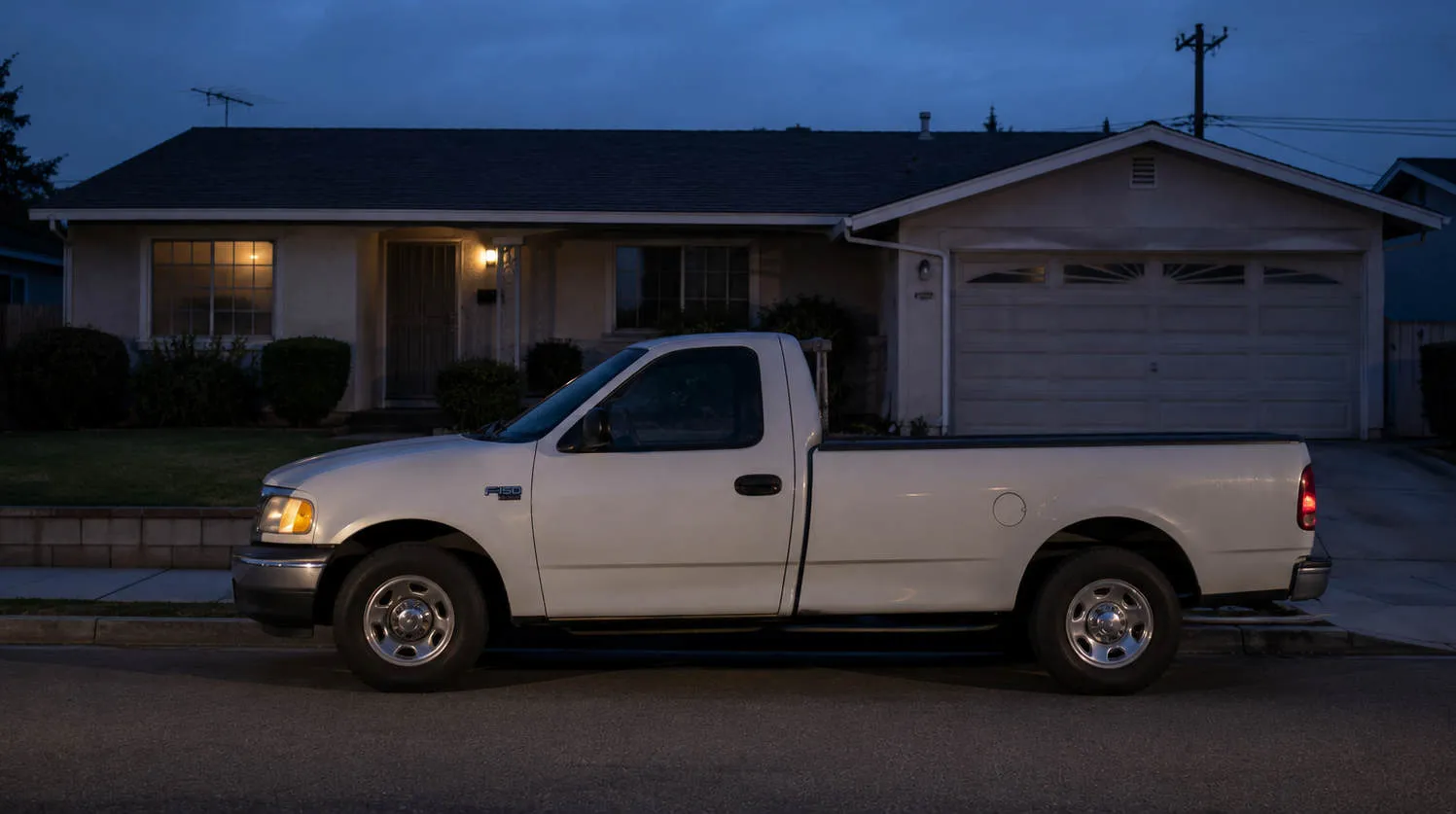
A transparent, four-step process ensures a smooth transition from vehicle to impact. (The exact process may differ between organizations, these are the general phases)
Your charity will conduct a preliminary assessment of your vehicle's market value and suitability for donation.
Their team verifies clear title, runs the vehicle history, and prepares all necessary transfer paperwork.
The title is officially transferred to the charity. You receive IRS Form 1098-C for tax deduction purposes.
The vehicle is sold or put to use by the charity, and proceeds fund their mission.
Cars are only the most common donation. A small business retiring a Thibodaux delivery truck, a household done with an RV that no longer leaves the driveway, or an owner ready to part with a project motorcycle can donate those vehicles on the same basic terms.
Larger vehicles take a bit more coordination on the tow — a flatbed for a non-running RV, a trailer rendezvous for a boat — but the financial picture is the same: free pickup, a signed title, and IRS documentation for the deduction.
Straight answers on donating your car, the tax treatment, and what to expect.
No. Charities that accept vehicle donations routinely take cars that do not start, have body damage, or are mechanically worn out. Condition affects the eventual sale value — and therefore the deduction — but not eligibility.
State tax treatment of charitable gifts varies. Some states offer their own deduction or credit on top of the federal deduction; others do not. Because the rules differ, confirm the Louisiana specifics with a local tax advisor.
Form 1098-C is the IRS document a charity sends to a donor after a vehicle donation. For a deduction over $500, the donor attaches Copy B of Form 1098-C (or a Form 1098-C substitute) to the tax return. For a deduction of $500 or less, the form is not required.
Yes, when the vehicle is given to a qualified 501(c)(3) and the donor itemizes deductions. The amount and the paperwork depend on the vehicle's sale price or use — see the IRS Form 1098-C question for details.
Cars, trucks, SUVs, minivans, motorcycles, RVs, boats on trailers, jet skis, ATVs, and snowmobiles are all commonly accepted. Acceptance of unusual vehicles is confirmed by the receiving charity when pickup is scheduled.
The donor signs the vehicle title over to the charity at the time of pickup; the receiving charity files the transfer with the state and mails the IRS Form 1098-C afterwards. Specific signature requirements vary by state DMV.
Find vetted real-estate-accepting charities elsewhere in the country.