Workforce & Jobs
Goodwill
Goodwill Car Donation accepts vehicles in any condition — proceeds fund job training and employment placement programs in your community.
location_on1111 Boone St, Leesville, LA 71446call(337) 423-5052
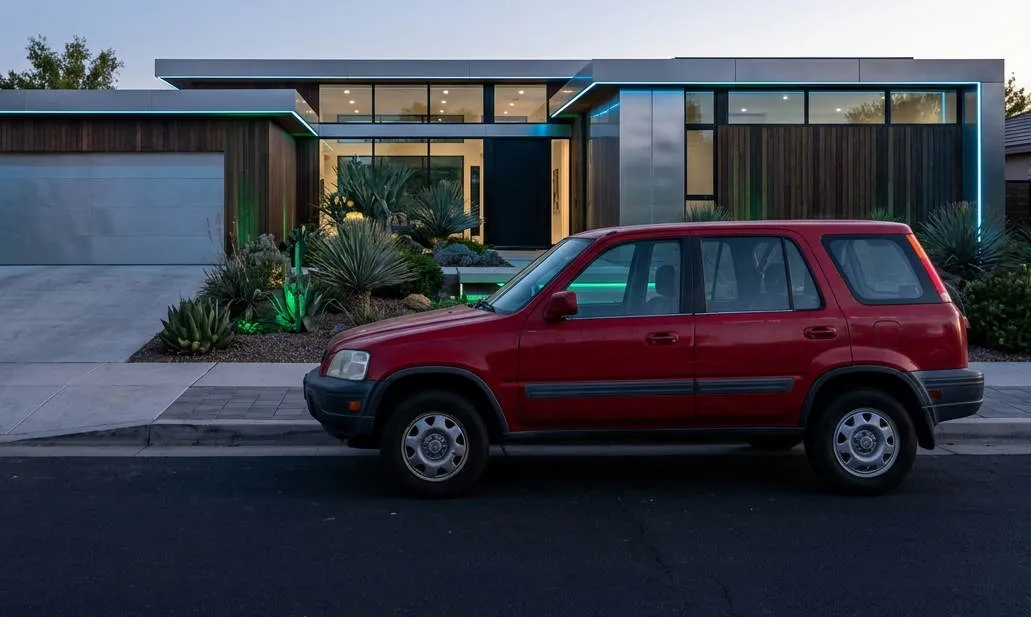
There is no listing to write, no buyer to vet, and no negotiation to slog through. Donating a vehicle in Fort Polk South to a vetted 501(c)(3) is a free pickup, a signed title, and a tax form — and the value goes to a cause the donor selects.
Vernon Parish
County
8,056
Residents
Skip the listings. Get the tax write-off and free towing — our charity of the week handles the rest.
Vehicle donation is not limited to passenger cars. Fort Polk South donors regularly give pickups, SUVs, motorcycles, RVs, boats on trailers, and even snowmobiles to qualified charities.
Proceeds from donated vehicles fund real programs — housing, food assistance, youth services, veterans support — operating across Fort Polk South and Vernon Parish.
An unused Fort Polk South vehicle keeps generating insurance premiums and registration fees. Donating it ends those bills the moment the title transfers.
Vehicle donations routed to MatchingDonors.com receive prioritized handling — free towing, title transfer, and IRS Form 1098-C after the vehicle sells. Proceeds fund the matching platform that has connected over 15,000 registered donors with patients in need.
See how much your car could impact a charity.
Well-known 501(c)(3) charities serving Fort Polk South — local branches plus national organizations that accept car donations.
Goodwill Car Donation accepts vehicles in any condition — proceeds fund job training and employment placement programs in your community.
Their Cars for Homes program accepts donated vehicles in any condition — proceeds fund home builds and repairs for families working toward stable homeownership.
Accepts donated vehicles nationwide with free towing — proceeds fund adult rehabilitation centers, shelters, and disaster relief.
Accepts car, truck, motorcycle, RV, and boat donations — proceeds fund disaster response, blood services, and emergency aid nationwide.
Their Cars for a Cure program accepts vehicle donations with free towing — proceeds fund cancer research, patient transportation, and lodging programs.
Getting started is straightforward: a few details about the Fort Polk South vehicle and a request for a free, no-obligation pickup. There is no commitment at this stage and no cost to the donor.
From there, the request is passed to a qualified 501(c)(3) equipped to accept vehicle donations. That charity schedules the tow, accepts the signed title at pickup, and mails the IRS Form 1098-C. Easy Car Donation is an independent referral resource — the donation itself is completed between the donor and the receiving charity.
A transparent, four-step process ensures a smooth transition from vehicle to impact. (The exact process may differ between organizations, these are the general phases)
Your charity will conduct a preliminary assessment of your vehicle's market value and suitability for donation.
Their team verifies clear title, runs the vehicle history, and prepares all necessary transfer paperwork.
The title is officially transferred to the charity. You receive IRS Form 1098-C for tax deduction purposes.
The vehicle is sold or put to use by the charity, and proceeds fund their mission.
Most charitable giving happens in cash, but an old car parked in a Fort Polk South driveway is often the more sensible thing to give. The vehicle generates insurance and registration bills while it sits and depreciates the longer the decision waits.
Donating the car directly converts it into a tax deduction documented by IRS Form 1098-C, and the towing is on the receiving charity rather than the donor.
Straight answers on donating your car, the tax treatment, and what to expect.
Often, yes. Junk cars, non-running vehicles, and cars with major mechanical issues are accepted by many charities and sold at auction or to salvage buyers. Free towing still applies.
For most vehicles, the deduction equals the amount the charity nets at sale, reported on Form 1098-C. Cars sold for $500 or less generally support a deduction of the lesser of $500 or fair market value. Actual tax savings depend on the donor's income, filing status, and itemized total.
The deduction generally applies to the tax year in which the title transfer is completed. Donors aiming to claim it in a particular year often start early enough to leave room for pickup and paperwork before December 31.
The donor signs the vehicle title over to the charity at the time of pickup; the receiving charity files the transfer with the state and mails the IRS Form 1098-C afterwards. Specific signature requirements vary by state DMV.
No. A pickup request is informational and carries no cost or obligation. The donor can review the details and decline at any point before the title is signed over.
Generally only after the lien is paid off and the lender has released the title. Donating a vehicle with an active lien creates legal complications because the lender, not the registered owner, technically controls the title.
Find vetted real-estate-accepting charities elsewhere in the country.