Workforce & Jobs
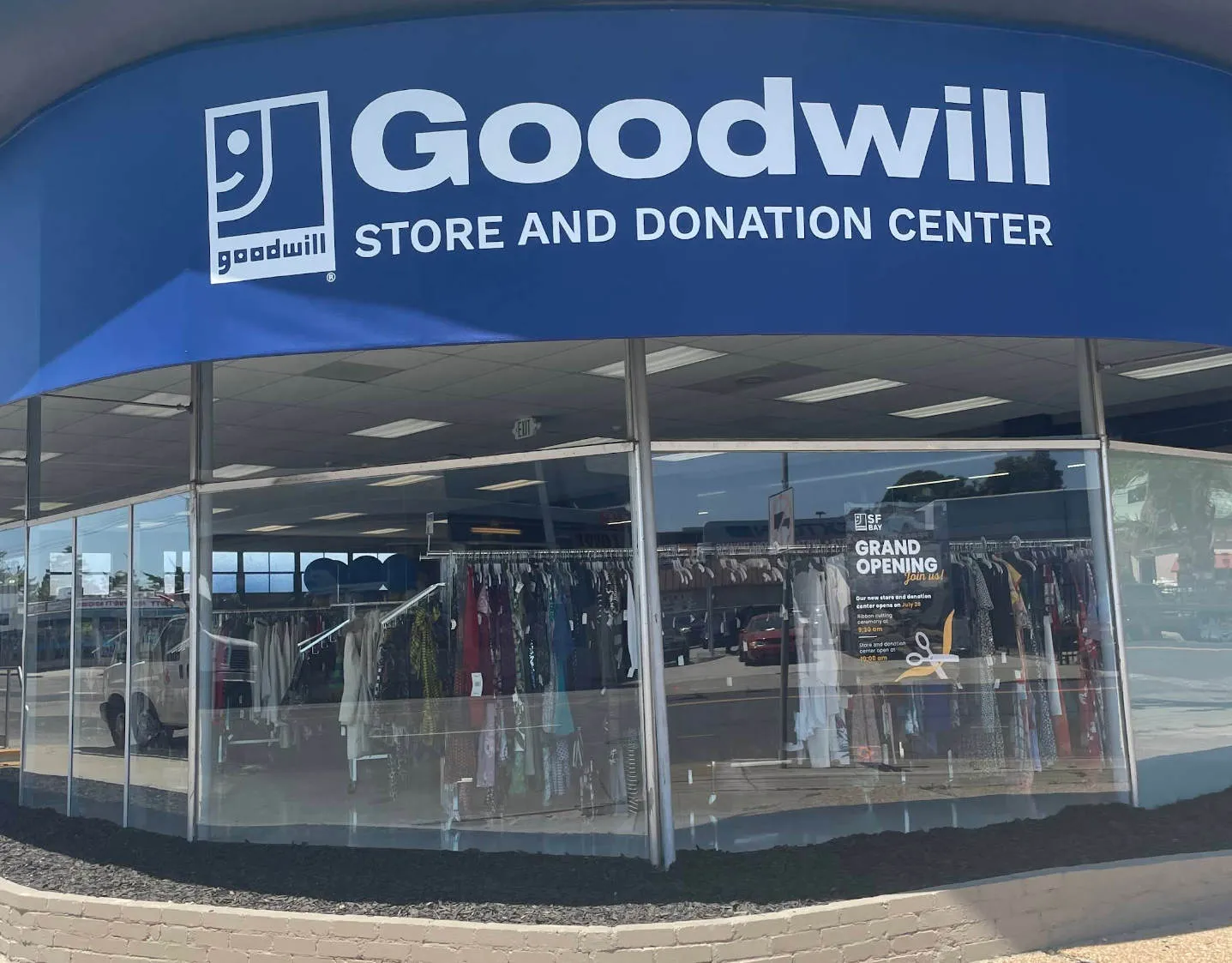
Goodwill
Goodwill Car Donation accepts vehicles in any condition — proceeds fund job training and employment placement programs in your community.
location_on1200 Hwy 74, C1, Peachtree City, GA 30269call(770) 631-8218
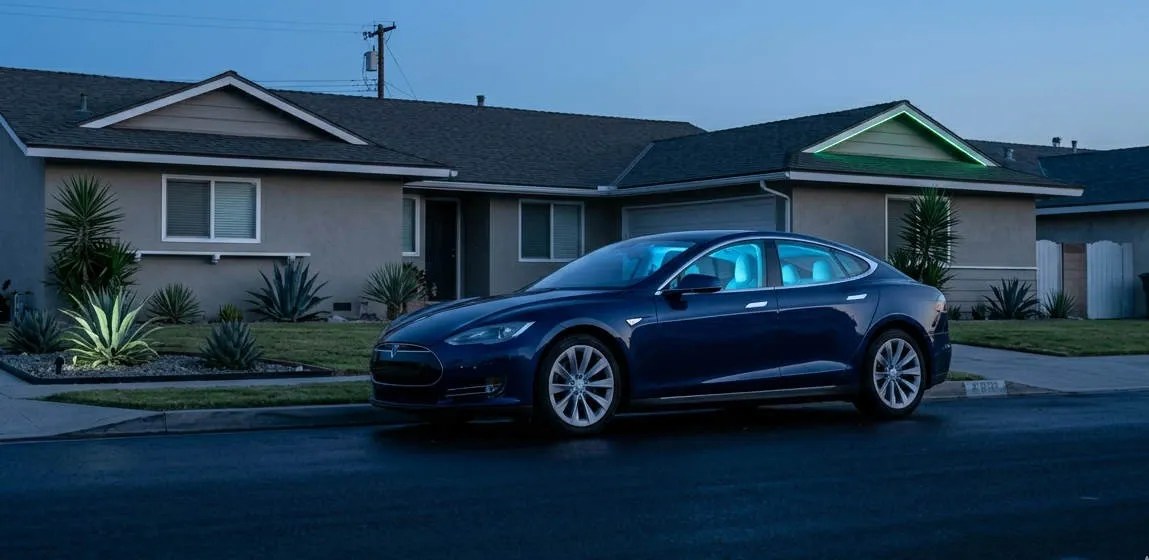
When a Senoia vehicle no longer fits the household, trade-in and private sale are not the only exits. A donation to a qualified 501(c)(3) includes free towing, asks for nothing out of pocket, and routes the value to a cause serving Coweta County.
Coweta County
County
5,353
Residents
Skip the listings. Get the tax write-off and free towing — our charity of the week handles the rest.
An unused Senoia vehicle keeps generating insurance premiums and registration fees. Donating it ends those bills the moment the title transfers.
Vehicle donation is not limited to passenger cars. Senoia donors regularly give pickups, SUVs, motorcycles, RVs, boats on trailers, and even snowmobiles to qualified charities.
A Senoia private sale means photographs, listings, and strangers talking the price down at the kerb. A donation skips all of it — the charity arrives, the title transfers, the vehicle leaves.
Vehicle donations routed to MatchingDonors.com receive prioritized handling — free towing, title transfer, and IRS Form 1098-C after the vehicle sells. Proceeds fund the matching platform that has connected over 15,000 registered donors with patients in need.
See how much your car could impact a charity.
Well-known 501(c)(3) charities serving Senoia — local branches plus national organizations that accept car donations.
Goodwill Car Donation accepts vehicles in any condition — proceeds fund job training and employment placement programs in your community.
Accepts donated vehicles nationwide with free towing — proceeds fund adult rehabilitation centers, shelters, and disaster relief.
Their Cars for Homes program accepts donated vehicles in any condition — proceeds fund home builds and repairs for families working toward stable homeownership.
Accepts car, truck, motorcycle, RV, and boat donations — proceeds fund disaster response, blood services, and emergency aid nationwide.
Local YMCAs accept donated cars, trucks, and boats — proceeds fund youth programs, fitness scholarships, and community services in your neighborhood.
An inherited car often arrives with paperwork the heir did not expect — registration to update, insurance to keep current, and a title that may take time to clear through probate. Selling it can mean those costs continue for weeks.
Donating an inherited Senoia vehicle, once the title is clear, converts it into a charitable deduction and ends the upkeep in a single appointment — often the simplest resolution for a vehicle the heir does not plan to drive.
A transparent, four-step process ensures a smooth transition from vehicle to impact. (The exact process may differ between organizations, these are the general phases)
Your charity will conduct a preliminary assessment of your vehicle's market value and suitability for donation.
Their team verifies clear title, runs the vehicle history, and prepares all necessary transfer paperwork.
The title is officially transferred to the charity. You receive IRS Form 1098-C for tax deduction purposes.
The vehicle is sold or put to use by the charity, and proceeds fund their mission.
A car that no longer starts is one of the worst things to try to sell — buyers steeply discount for the unknowns, and tow costs come out of the seller's pocket. The vehicle still owes registration, though, and most policies require some kind of insurance even on a parked car.
Qualified charities accept non-running vehicles directly. Towing is included at no cost, the title transfers at pickup, and the IRS Form 1098-C arrives once the charity processes the vehicle. The owner is rid of the car and the costs that came with it in a single appointment.
Straight answers on donating your car, the tax treatment, and what to expect.
Pickup is typically scheduled within a few business days of the initial contact, often within a week. The donor sets the window; the tow company arrives during that window.
Generally only after the lien is paid off and the lender has released the title. Donating a vehicle with an active lien creates legal complications because the lender, not the registered owner, technically controls the title.
It depends on the state. Some states require the donor to remove plates before pickup and return them to the DMV; others transfer plates with the vehicle. The receiving charity and the state DMV can confirm the local rule.
Almost any make is accepted — domestic, import, and luxury vehicles are all routinely donated. Acceptance is driven more by title status, location, and condition than by brand.
Pickup is often scheduled within a few days of the initial contact. The IRS Form 1098-C documenting the deduction is generally mailed within 30 days of the vehicle being sold, or within 30 days of the donation if the charity intends to use the car directly.
Salvage-title and non-operational vehicles are often accepted. The receiving charity will confirm based on the title status and the vehicle's location; non-running vehicles are typically picked up by flatbed at no cost to the donor.
Find vetted real-estate-accepting charities elsewhere in the country.