Workforce & Jobs
Goodwill
Goodwill Car Donation accepts vehicles in any condition — proceeds fund job training and employment placement programs in your community.
location_on2500 Cobb Pkwy NW, Kennesaw, GA 30152call(770) 420-9499
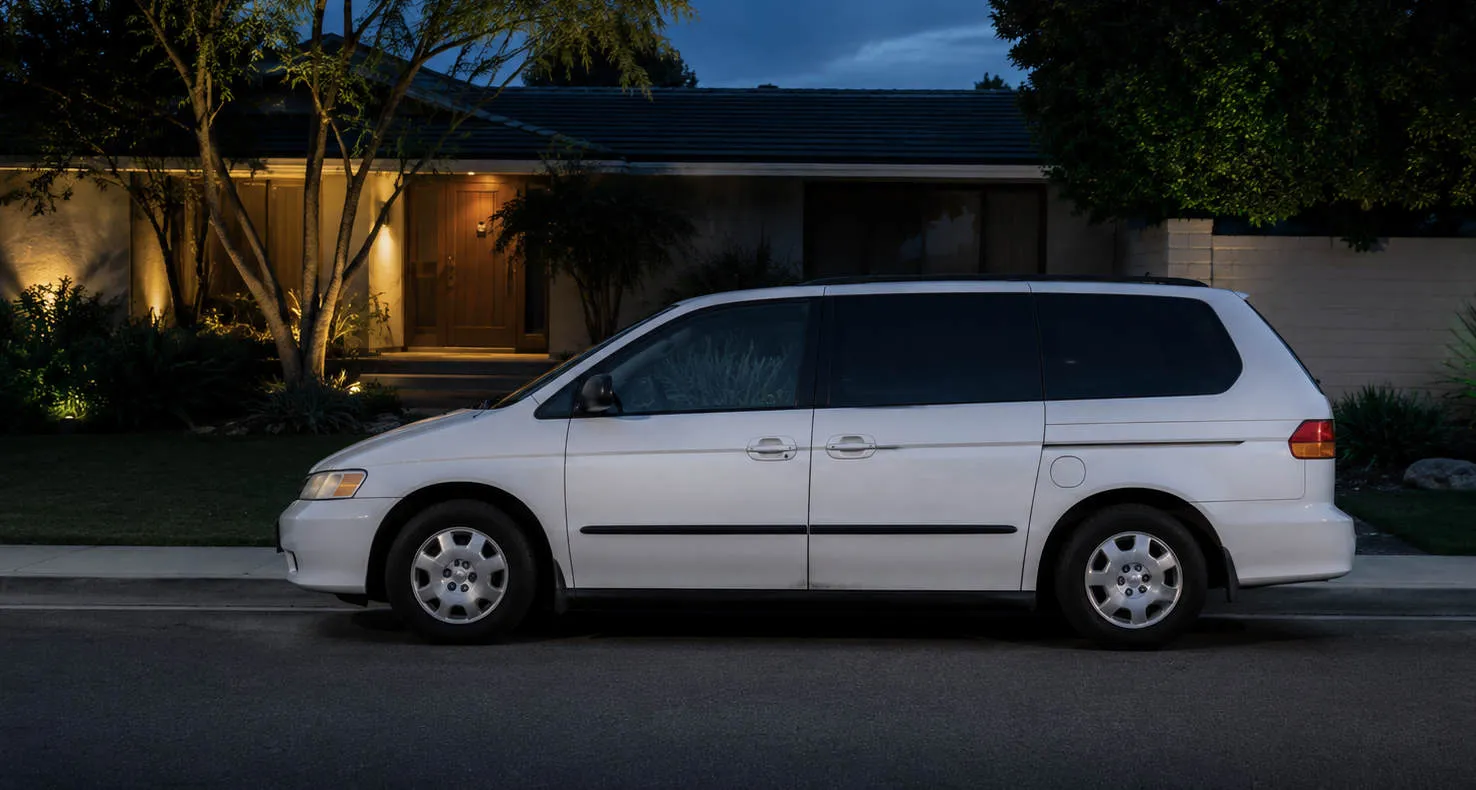
When a Kennesaw vehicle no longer fits the household, trade-in and private sale are not the only exits. A donation to a qualified 501(c)(3) includes free towing, asks for nothing out of pocket, and routes the value to a cause serving Cobb County.
Cobb County
County
33,627
Residents
Skip the listings. Get the tax write-off and free towing — our charity of the week handles the rest.
A Kennesaw private sale means photographs, listings, and strangers talking the price down at the kerb. A donation skips all of it — the charity arrives, the title transfers, the vehicle leaves.
Vehicle donation is not limited to passenger cars. Kennesaw donors regularly give pickups, SUVs, motorcycles, RVs, boats on trailers, and even snowmobiles to qualified charities.
A Kennesaw private sale can drag on for weeks. A vehicle donation moves quickly: a short form, a scheduled tow, and a signed title at pickup.
Vehicle donations routed to MatchingDonors.com receive prioritized handling — free towing, title transfer, and IRS Form 1098-C after the vehicle sells. Proceeds fund the matching platform that has connected over 15,000 registered donors with patients in need.
See how much your car could impact a charity.
Well-known 501(c)(3) charities serving Kennesaw — local branches plus national organizations that accept car donations.
Goodwill Car Donation accepts vehicles in any condition — proceeds fund job training and employment placement programs in your community.
Accepts donated vehicles with free pickup — proceeds fund food pantries, housing assistance, and direct aid to neighbors facing poverty.
Their Cars for Homes program accepts donated vehicles in any condition — proceeds fund home builds and repairs for families working toward stable homeownership.
Accepts donated vehicles nationwide with free towing — proceeds fund adult rehabilitation centers, shelters, and disaster relief.
Protects ecologically important lands and waters across the United States and globally.
For most donated cars, the deductible amount is whatever the charity nets when it sells the vehicle, reported to the donor on IRS Form 1098-C. If the vehicle sells for $500 or less, the donor may generally deduct the lesser of $500 or fair market value without a 1098-C.
Vehicles the charity puts to direct use rather than selling have different rules and may support a fair-market-value deduction. This is general information, not tax advice — confirm the specifics with a tax advisor.
A transparent, four-step process ensures a smooth transition from vehicle to impact. (The exact process may differ between organizations, these are the general phases)
Your charity will conduct a preliminary assessment of your vehicle's market value and suitability for donation.
Their team verifies clear title, runs the vehicle history, and prepares all necessary transfer paperwork.
The title is officially transferred to the charity. You receive IRS Form 1098-C for tax deduction purposes.
The vehicle is sold or put to use by the charity, and proceeds fund their mission.
Vehicle donation is not limited to running passenger cars. Pickup trucks, SUVs, minivans, motorcycles, RVs, boats on trailers, and even snowmobiles and ATVs are accepted by 501(c)(3) charities serving Kennesaw.
Non-running vehicles, salvage-title cars, and vehicles with cosmetic damage routinely qualify. Title questions and mechanical condition are worked through when the tow is scheduled rather than used as a reason to turn the vehicle away upfront.
Straight answers on donating your car, the tax treatment, and what to expect.
Yes. Vehicles held by a company, partnership, or trust can be donated, though the deduction rules differ from those for individuals. An entity considering a gift should review the specifics with its tax advisor.
Almost any make is accepted — domestic, import, and luxury vehicles are all routinely donated. Acceptance is driven more by title status, location, and condition than by brand.
If the charity sells the vehicle, the deduction is generally the gross sale price reported on Form 1098-C. If the sale is $500 or less, the donor may deduct the lesser of $500 or fair market value (Kelley Blue Book private-party value is a common reference). If the charity uses the car directly or makes material improvements before selling, fair market value rules apply.
Often, yes. Junk cars, non-running vehicles, and cars with major mechanical issues are accepted by many charities and sold at auction or to salvage buyers. Free towing still applies.
Cars, trucks, SUVs, minivans, motorcycles, RVs, boats on trailers, jet skis, ATVs, and snowmobiles are all commonly accepted. Acceptance of unusual vehicles is confirmed by the receiving charity when pickup is scheduled.
Yes, it is a good idea. The information here is general, and a tax professional can confirm how a vehicle gift affects a specific deduction, income, and filing situation.
Find vetted real-estate-accepting charities elsewhere in the country.